Training With Your Cycle, Not Against It
Most training advice assumes a flat line: same body, same output, every single day. For a lot of women, that's just not how it works. Your hormones move in a predictable rhythm across the month, and that rhythm has a real, physiological effect on strength, energy, recovery and motivation. Understanding it isn't about training less, it's about training smart.
The four phases, briefly
Menstrual phase (roughly days 1–5): Oestrogen and progesterone are both low. Some women feel depleted here, others feel completely normal - fatigue and cramping affect people very differently. Energy can dip, but plenty of women train through this phase at full intensity without issue.
Follicular phase (roughly days 1–13, overlapping with menstruation): Oestrogen begins climbing. Many women notice rising energy, sharper focus and improved recovery through this window, which is often reported as a strong period for building strength and pushing intensity.
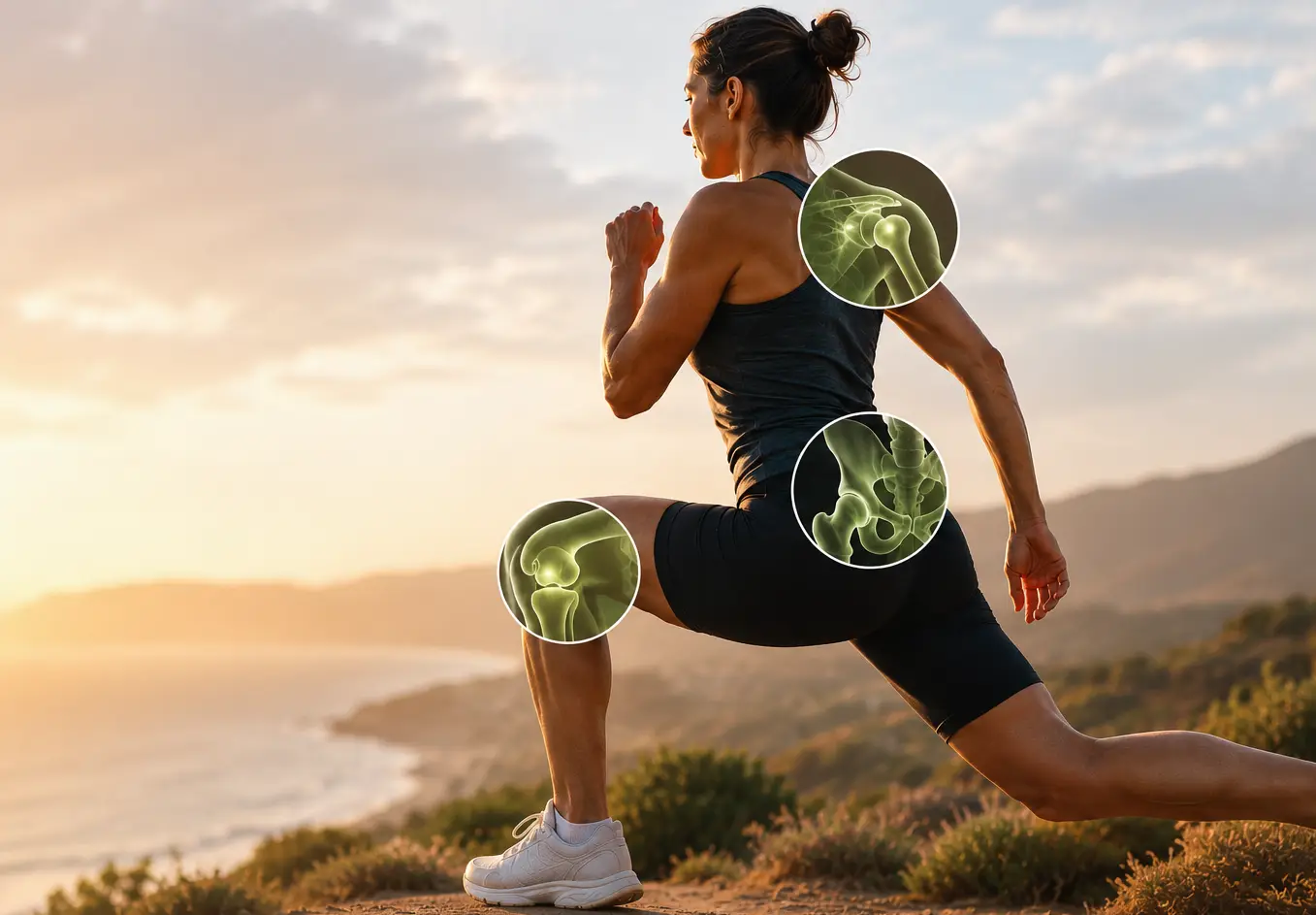
Ovulation (roughly day 14): Oestrogen peaks. Often the highest-energy point of the cycle for many women - but also a point where some research suggests a slightly higher risk of ligament injury, particularly around the knee, so warm-ups and control still matter here as much as ever.
Luteal phase (roughly days 15–28): Progesterone rises and, later in the phase, both hormones drop. This is where PMS symptoms, fatigue, or reduced tolerance for high-intensity work are most commonly reported. It doesn't mean training stops - it often means the type of intensity that feels good simply shifts.
What the research actually supports
It's worth being honest about where the science is at: individual variation here is significant. Some women notice clear patterns across their cycle; others notice very little. Hormonal contraception changes the picture again, since it can flatten or override the natural hormonal rhythm entirely. Cycle syncing isn't a rigid formula everyone should follow to the letter - it's a framework for paying attention to your own patterns, over several cycles, and adjusting accordingly.
What this looks like in practice
Track before you tweak. A few months of noting energy, strength and recovery against your cycle will tell you far more about your own patterns than any generic chart.
Follicular and ovulatory windows are often good times to chase a new personal best, if that's what your body is telling you it wants.
Luteal phase doesn't mean stopping, it might mean shifting emphasis toward strength work at a slightly lower intensity, technique-focused sessions, or leaning into Reformer, Pilates or mobility work while your tolerance for high-intensity output is lower.
Menstrual phase is genuinely individual. Some members hit HIIT hard on day one; others need a lower-intensity week. Both are normal.
Recovery matters more, not less. Sauna, ice plunge and proper sleep support hormonal regulation across the whole cycle.
Talk with us
This isn't about a separate program for "that time of the month" - it's about the same principle behind everything else we do at FIT: real information, applied to your actual body, not a generic script. If you want support adjusting your training around your cycle, our team and PT’s are genuinely glad to help you build a plan around it. And if symptoms are significantly affecting your daily life, that's a conversation worth having with your GP.
Strong doesn't mean identical every day, it means training with what your body is actually telling you.

24%20(1).webp)