The Truth About Core Training: Beyond Crunches and Aesthetics
Your core isn't just your six-pack. It's the system that keeps you strong, stable and moving well and training it properly looks very different to a hundred crunches.
For decades, core training has been sold to us as a means to an end: flat stomach, visible abs. Cue endless crunches and sit-ups tacked onto the end of a session. But your core has a far bigger job than looking good and when you train it for what it actually does, you'll feel the difference in almost everything you do.
What is your core, really?
Your core isn't one muscle. It's a team that wraps around your midsection like a cylinder. The rectus abdominis (your 'six-pack') sits at the front, joined by the obliques along your sides, the deep transverse abdominis that acts like a natural weight belt, the muscles along your spine, the diaphragm on top and the pelvic floor below. Your glutes and hips play a big supporting role too.
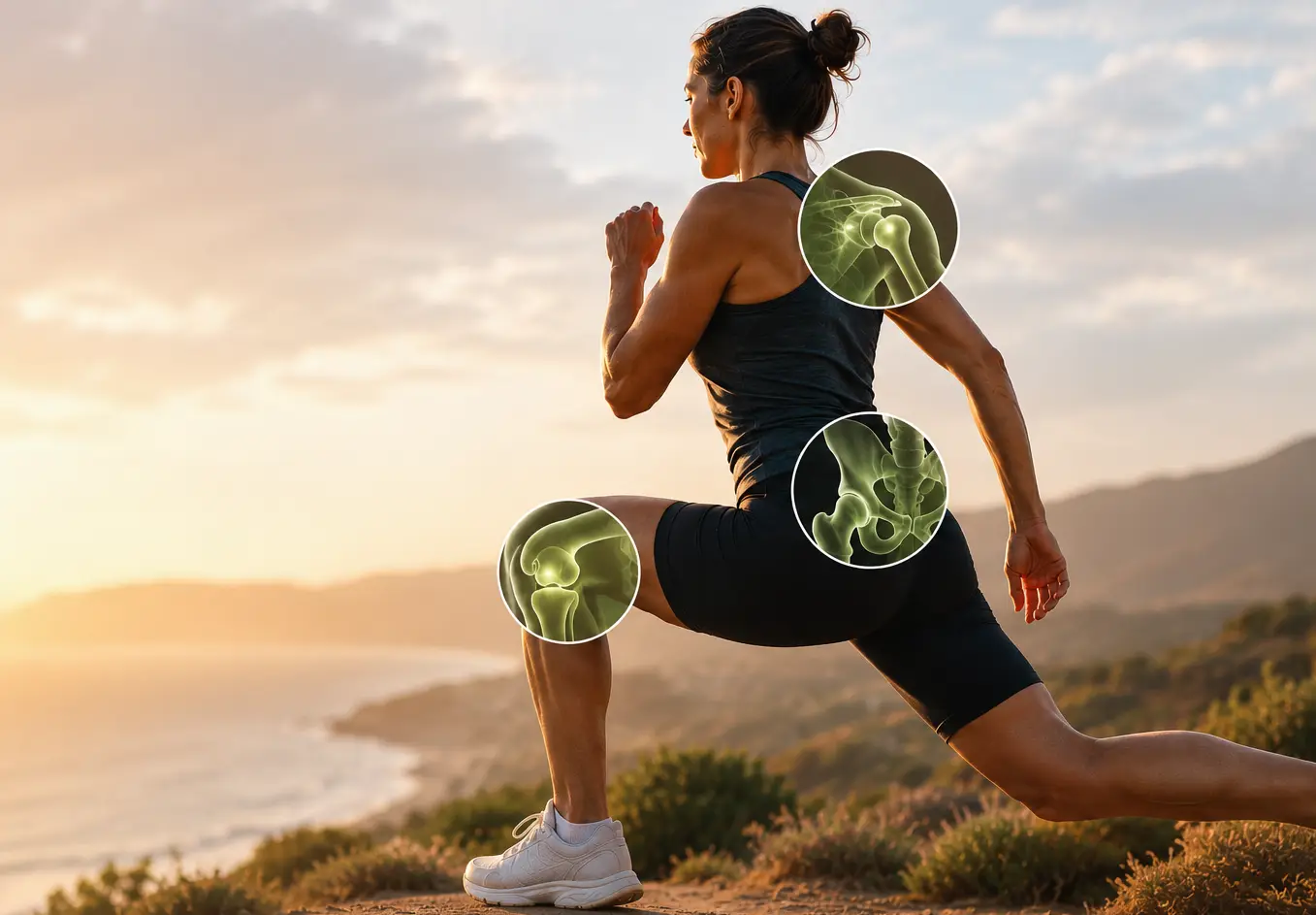
Together, they create stability around your spine and pelvis – a solid base that lets your arms and legs produce and transfer force efficiently.
Why just crunches misses the point
Crunches aren't evil. But they mostly train one muscle to do one thing: bend your spine forward. In daily life and in the gym, your core's main job is closer to the opposite – resisting unwanted movement. Think of carrying a heavy shopping bag in one hand without tipping sideways, or holding a tall, braced torso under a barbell. A strong core is less about how far you can bend and more about how well you can stay put when forces try to move you.
Train what your core actually does
A well-rounded core program works across four key functions:
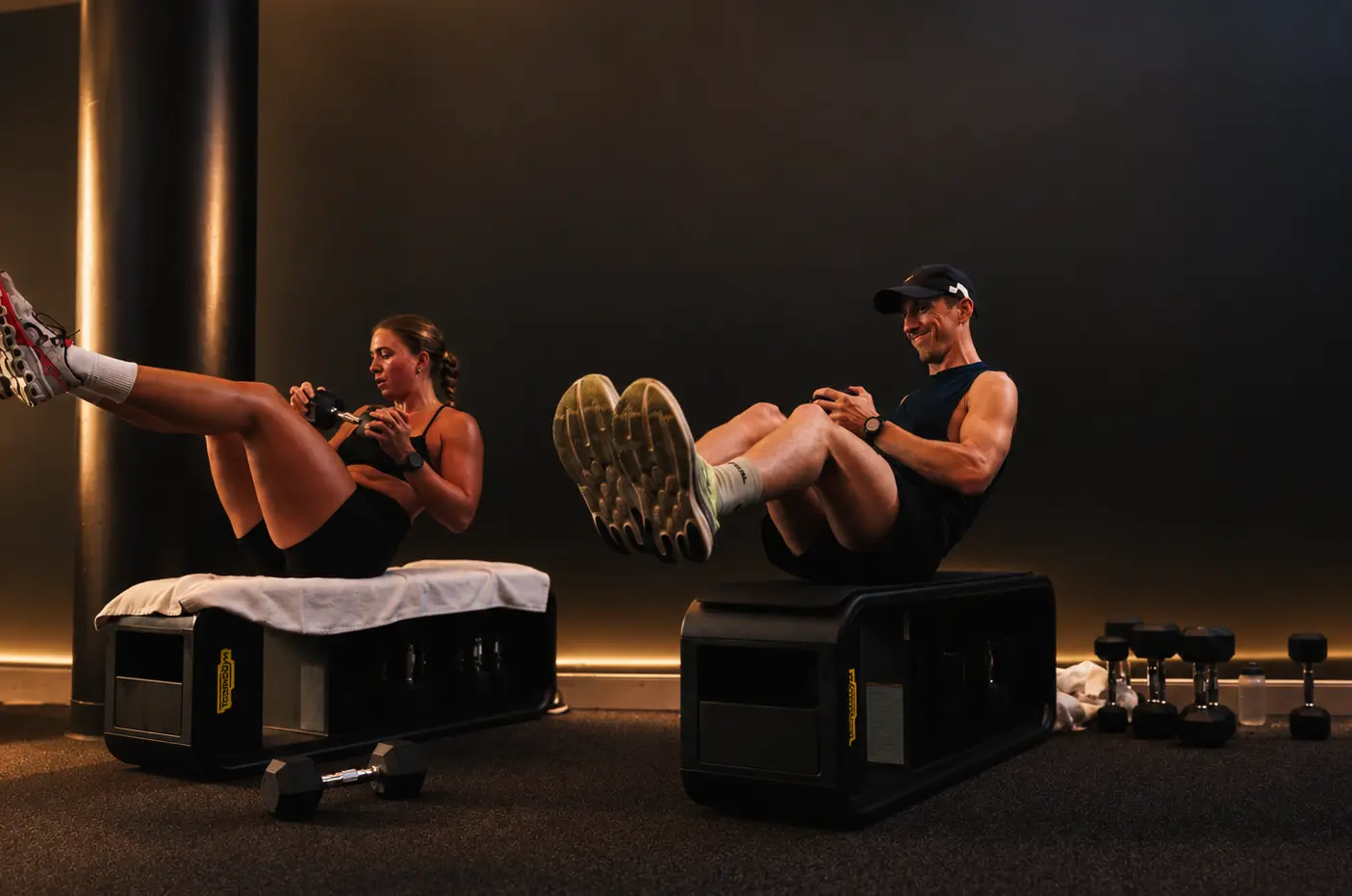
• Anti-extension: resisting your lower back arching. Try planks, dead bugs and ab-wheel rollouts.
• Anti-rotation: resisting twisting. Try Pallof presses and bird dogs.
• Anti-lateral flexion: resisting bending sideways. Try side planks and suitcase carries.
• Rotation and power: controlled movement through the hips and torso. Try cable woodchops and medicine ball throws.
And don't underestimate the big lifts. Squats, deadlifts, overhead presses and loaded carries all demand serious core engagement.
It starts with your breath
Good bracing begins with breathing. Before a lift, breathe into your belly and sides (not just your chest), then gently tighten your midsection as if preparing for a light poke to the stomach. This builds pressure inside your abdomen that helps support your spine. Simply sucking your stomach in, by contrast, does far less to keep you stable.
The real payoff
Training your core for function pays off well beyond the gym floor. A strong, responsive core supports better posture, more efficient movement, stronger lifts and better balance, and can help reduce everyday niggles, particularly through the lower back. It's what helps you pick up a toddler, lug a suitcase up the stairs or stay steady on an uneven trail.
And those visible abs? They're shaped largely by overall body composition, nutrition and genetics, not by how many crunches you do.
Bringing it together
You don't need a dedicated 'core day'. Add two or three targeted exercises to your sessions a few times a week, prioritise quality and control over reps, and progress gradually.
Not sure where to start? Our FIT Health Clubs personal trainers can assess how your core is working and build a program that strengthens it from the inside out – for performance, longevity and everything life throws at you.