Training through perimenopause and menopause: what changes and what to do about it
For many women, perimenopause arrives quietly. Sleep gets patchier, recovery takes longer, and the training that used to work starts to feel different. It's not in your head, and it's not a sign to slow down. It's a signal to train a little smarter and perhaps make some adjustments.
Perimenopause is the transition leading up to menopause, and it can start in your 40s and last several years. In Australia, the average age of menopause is around 51. Throughout this time, oestrogen levels fluctuate and then decline, and because oestrogen plays a role in muscle, bone, metabolism and mood, you'll likely notice the effects in the gym too.
What changes
Muscle: Muscle mass naturally declines with age, and lower oestrogen can speed that up. Less muscle means less strength and a slower metabolism.
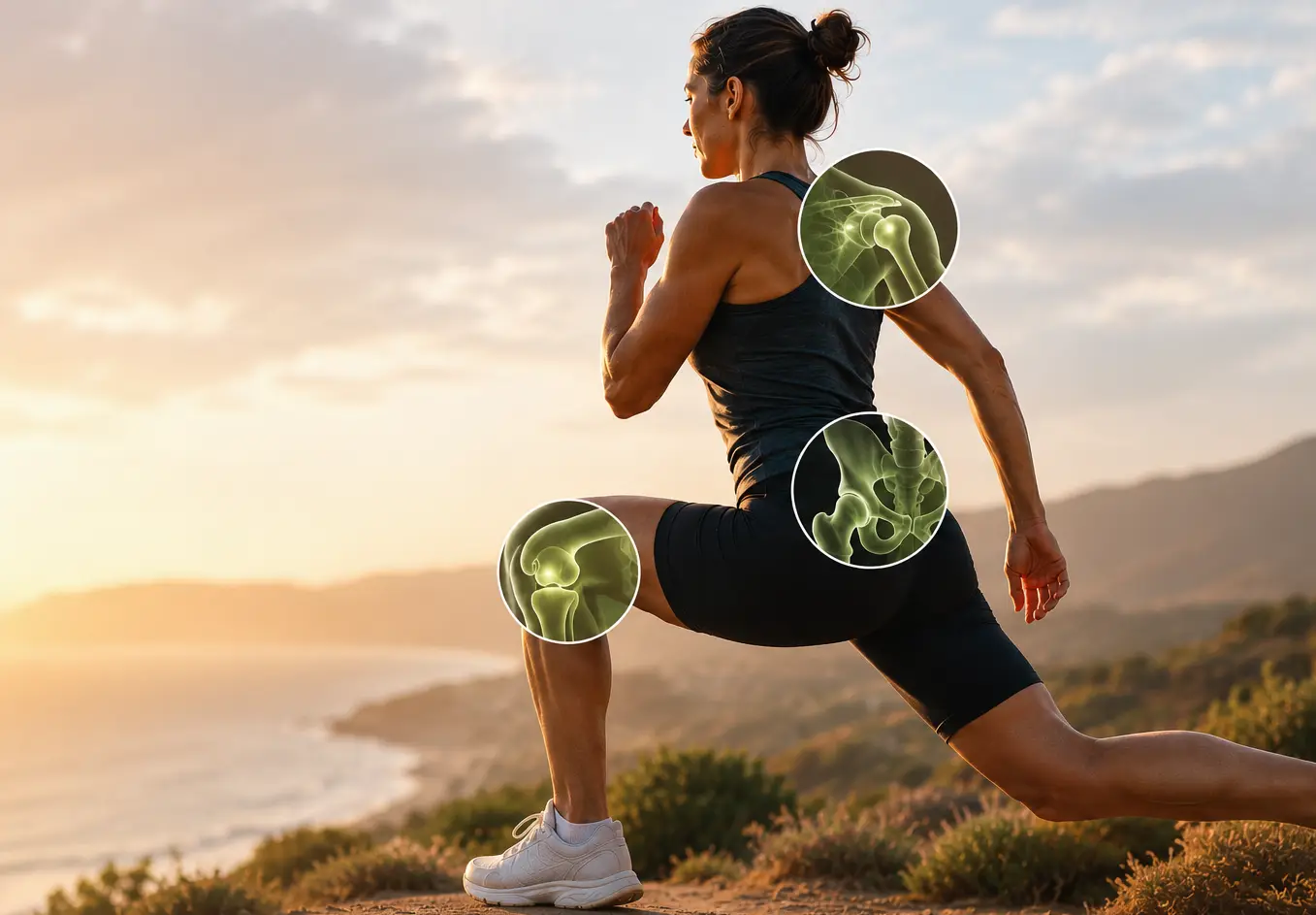
Bone: Bone density can drop more quickly in the years around menopause, increasing the risk of osteoporosis later in life.
Body composition: Many women notice weight shifting towards the middle, even when nothing else has changed.
Energy and recovery: Poor sleep, hot flushes and joint aches can leave you feeling flat and slower to bounce back between sessions.
What to do about it
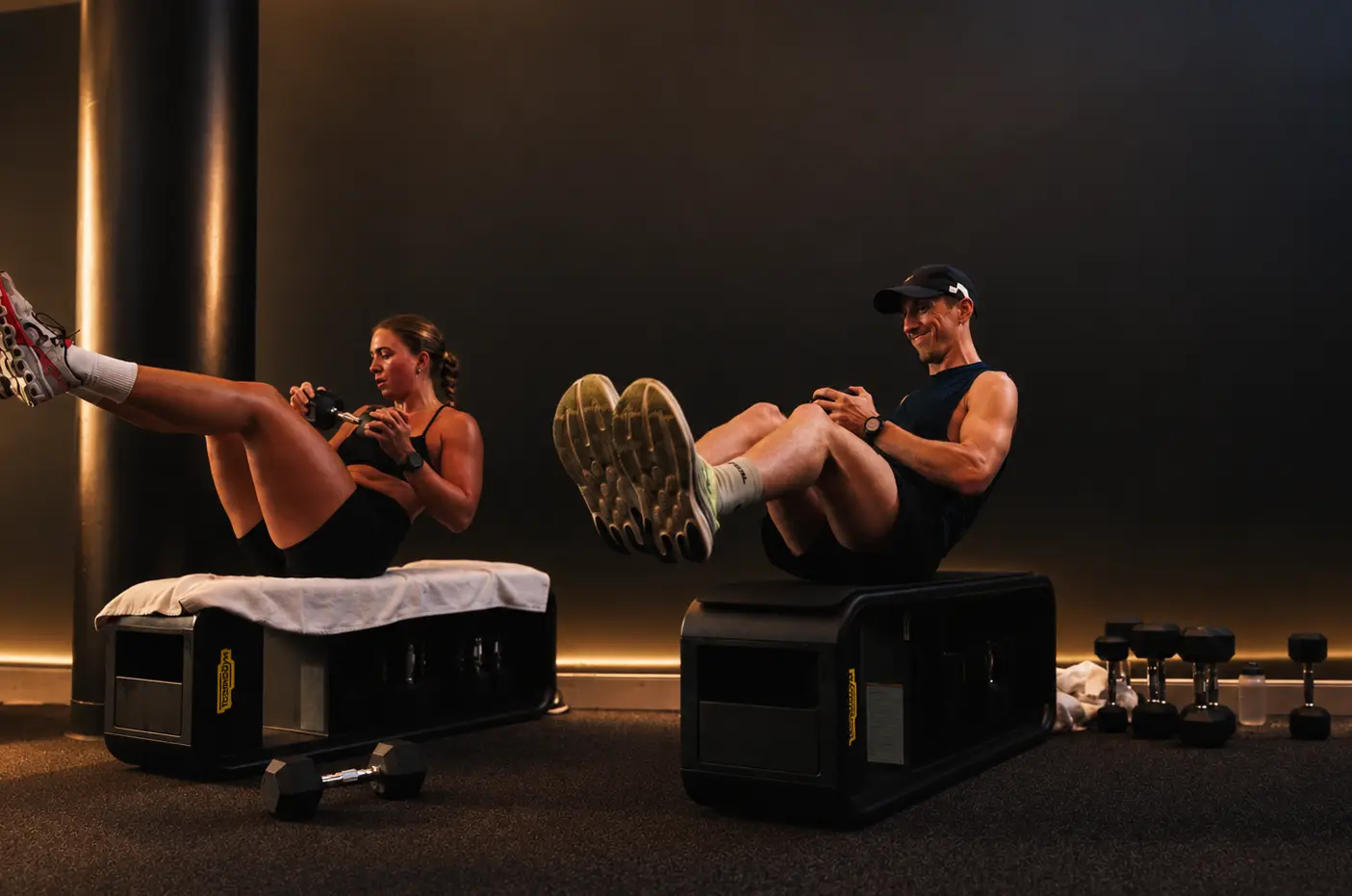
Make strength training the priority. Lifting weights two to three times a week is one of the most effective things you can do to hold on to muscle and support bone health. Focus on big movements like squats, deadlifts, presses and rows, and aim to gradually lift heavier over time. Light weights and high reps have their place, but progressive load is what drives change.
Add some impact. Bone responds to load and impact. If your joints are happy, short bursts of jumping, skipping or step-ups can complement your strength work. Start small and build up.
Keep intervals short and sharp. You don't need long, gruelling cardio sessions. Short, high-intensity intervals support heart health and fitness without leaving you wiped out for days.
Eat enough protein. Protein helps your muscles repair and grow. Rather than loading it all into dinner, spread it across your meals, with a palm-sized serve (roughly 25–30g) at each one as a good starting point.
Protect your recovery. Sleep, rest days and mobility work matter more now. If you've had a rough night, swap a high-intensity session for strength or a lower-impact class. Adjusting isn't quitting.
Listen to your body, not the old program. Your energy may vary week to week. Track how you feel and build flexibility into your training, rather than pushing through on autopilot.
Strong is the goal
Perimenopause and menopause are a natural stage of life, and training through them is one of the best investments you can make in your long-term health. The aim isn't to fight your body. It's to give it what it needs to stay strong, capable and energised for decades to come.
If you're experiencing symptoms that affect your day-to-day life, talk to your GP about what support is available.
Not sure where to start? Our FIT trainers can help you build a strength-focused program that works with where you're at right now. Chat to the team at concierge or book a session with one of our coaches.