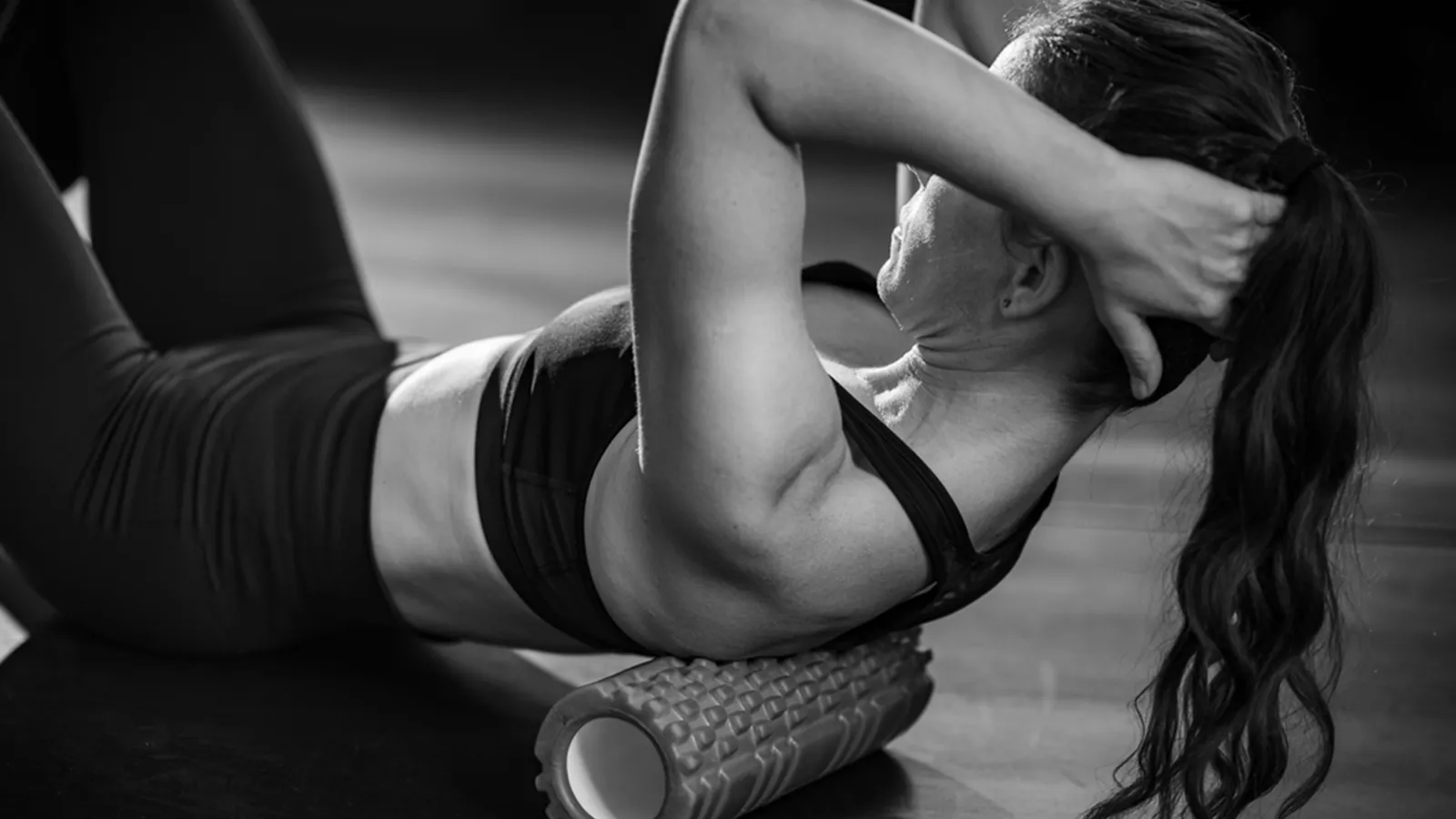
Anyone who's tried a new class, added extra weight to the bar, or come back from a break knows the feeling: fine the day of, then waking up the next morning barely able to sit down without wincing. That's DOMS - Delayed Onset Muscle Soreness - and while it can feel alarming the first time, it's one of the most normal responses in the body's training toolkit.
What's actually happening
DOMS usually shows up 12 to 24 hours after exercise, peaks around the 24-to-72-hour mark, and fades within about a week. It's most common after eccentric movement - the lengthening phase of a muscle under load, like the lowering part of a squat, the downward phase of a bicep curl, or downhill walking. Eccentric contractions place more mechanical stress on muscle fibres than lifting or shortening does, which is why a heavy leg day or a first Pilates reformer class can leave people surprisingly sore in places they didn't expect.
Contrary to popular belief, DOMS isn't caused by a build-up of lactic acid. Lactate clears from the muscles within an hour or two of finishing exercise, long before the soreness even begins. What's really going on is microscopic damage to muscle fibres and the surrounding connective tissue. That damage triggers a local inflammatory response: fluid and immune cells move into the area to begin repair, and in the process they sensitise nearby nerve endings. The result is the familiar ache, stiffness and short-term drop in range of motion.
Why it's actually a good sign
This repair process is part of how muscles adapt and grow stronger. It's also why the second time you do the same session, the soreness is usually far milder. The body remembers the stimulus and adjusts, which is one reason consistency matters more than intensity when it comes to long-term progress.
How to manage it
Keep moving. Gentle activity - walking, light cycling, easy mobility work - increases blood flow to sore muscles and can ease stiffness, even though it won't eliminate soreness outright.
Progress gradually. Big jumps in load, volume or a completely new movement pattern are the most common triggers for severe DOMS. Building intensity in smaller steps helps the body adapt without the two-day payback.
Prioritise sleep. Most muscle repair happens overnight, making sleep one of the most underrated recovery tools available.
Include hot and cold recovery as essential to your training. Cold recovery can reduce perceived soreness and inflammation in the first 24–48 hours, while heat afterward can help relax muscles and restore blood flow. Experience both in our FIT Nurture spaces.
Support repair with nutrition. Adequate protein intake and staying well hydrated give the body what it needs to rebuild tissue. Our FIT Food is protein forward.
When it's more than DOMS
Ordinary soreness is dull, symmetrical and improves day by day. Sharp or localised pain, noticeable swelling, or soreness that lingers well beyond a week are worth mentioning to a trainer or health professional rather than pushing through.
Soreness is feedback, not a scoreboard. Feeling wrecked the next day isn't proof a session "worked," and feeling fine isn't proof it didn't. If you're navigating how sore is too sore, or want a program that builds intensity at the right pace for your body, speak to one of our FIT team members.