Hydration beyond water: electrolytes, timing, and what actually affects performance
Most of us have the same hydration routine: drink water when thirsty, maybe more on a hot day, and call it done. It's not wrong, but it's incomplete. Water gets you most of the way there but what it doesn't do is replace what you're actually losing when you sweat, or account for when that fluid needs to go in to be useful. That's where performance either holds up or quietly falls apart.
Sweat isn't just water
When you sweat, you lose sodium, potassium, magnesium and small amounts of other minerals along with the fluid. Sodium is the big one - it's what your body uses to hold onto fluid and keep it circulating where you need it, rather than just passing straight through you.
Sweat rates and sodium losses vary hugely from person to person. Some people lose under 500mg of sodium per litre of sweat; others lose over 1,500mg. Climate, fitness level, heat acclimatisation and genetics all play a part. This is why the same session can leave one person fine on water alone and leave the person next to them cramping, foggy, or flat - same workout, different physiology.
The practical takeaway: if a session runs under 60 minutes at a moderate effort, water is usually enough. Once you're pushing past that with longer sessions, higher intensity, hot conditions, or heavy sweating, electrolytes start to matter more than extra water does.
More water isn't always the answer
It's a common instinct to reach for more water when something feels off mid-session. But if you're already adequately hydrated and losing sodium through sweat, adding plain water dilutes the sodium you have left. In endurance sport this is well documented and has a name - exercise-associated hyponatremia - and while it's rare in a typical gym session, the mechanism is the same reason "just drink more water" isn't always the right fix. Fatigue, light-headedness or a heavy, bloated feeling mid-workout can be a sign you need sodium and fluid together, not just fluid.
Timing matters as much as content
What you drink matters less if the timing is off. A rough framework that holds up well:
2–3 hours before training: a normal glass or two of water with meals. No need to overload beforehand, it mostly ends up as a bathroom trip, not stored hydration.
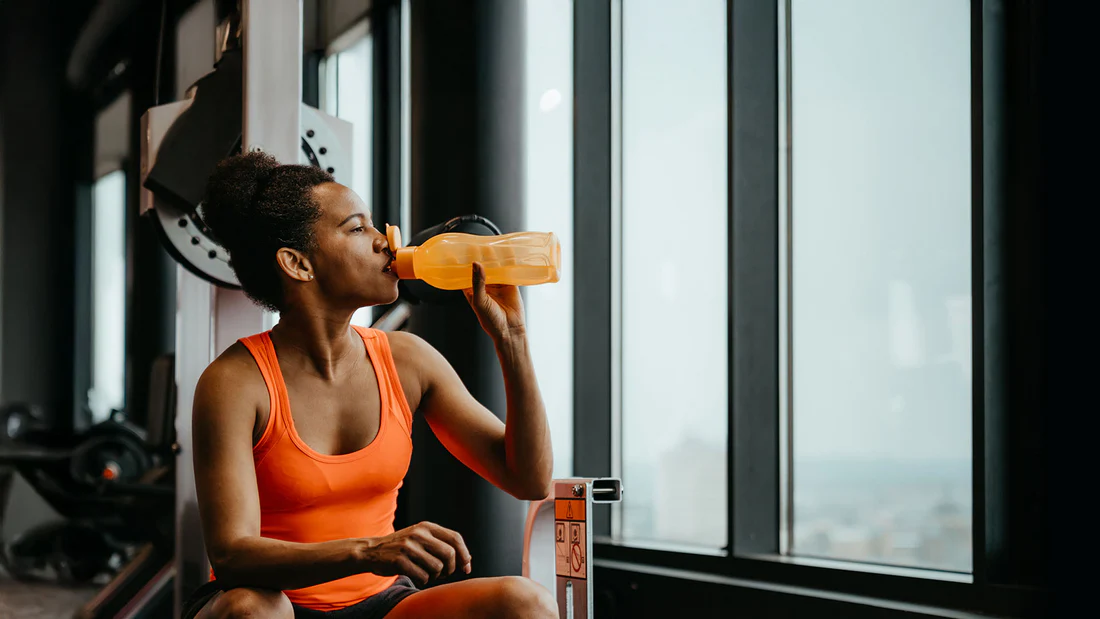
During training: sip regularly rather than skipping until you're thirsty and then downing a large volume. Thirst is a lagging signal - by the time it kicks in, performance has often already started to dip. For sessions over 60 minutes or in the heat, this is where an electrolyte drink earns its place.
After training: this is the step most people skip. Sweat losses need replacing at roughly 1.5x what was lost, because a portion of what you drink post-exercise is processed and excreted rather than retained. A snack or drink with some sodium in it helps your body actually hold onto the fluid, rather than just passing it through.
What actually moves the needle
Electrolytes matter most when sessions are long, intense, or hot - not necessarily for every gym visit.
Sipping beats chugging. Steady intake through a session keeps you ahead of thirst rather than reacting to it.
Post-session rehydration is the most overlooked piece. Replacing fluid without any sodium means a lot of it doesn't stick around.
Coffee and tea count toward daily fluid intake. The old idea that caffeine dehydrates you has been well and truly retired by the research - moderate caffeine intake doesn't meaningfully affect hydration status.
Colour-of-urine is still one of the simplest hydration checks. Pale straw is the target; darker suggests you're behind.
The bottom line
Hydration isn't just about how much you drink, it's about what's in it and when it goes in. For most day-to-day training, water and a balanced diet will cover you. For anything longer, harder, hotter, or heavier on the sweat, think about sodium and timing as seriously as you think about the workout itself.