Protein + fibre: building a meal that stays with you
Satiety is a meal-design question shaped by more than one nutrient.
How filling a meal feels depends on the person, the portion, the texture, its energy and what else is eaten across the day.
Protein can contribute. A meta-analysis of five controlled preload studies found that higher-protein preloads increased reported fullness under tightly defined conditions. The authors also highlighted the small evidence base and the differences between studies [1]. Fibre is similarly hard to turn into one promise. A systematic review found that most acute fibre interventions reviewed did not reduce appetite or food intake, while some specific fibres and formats did [2]. Type, dose and food structure all matter.
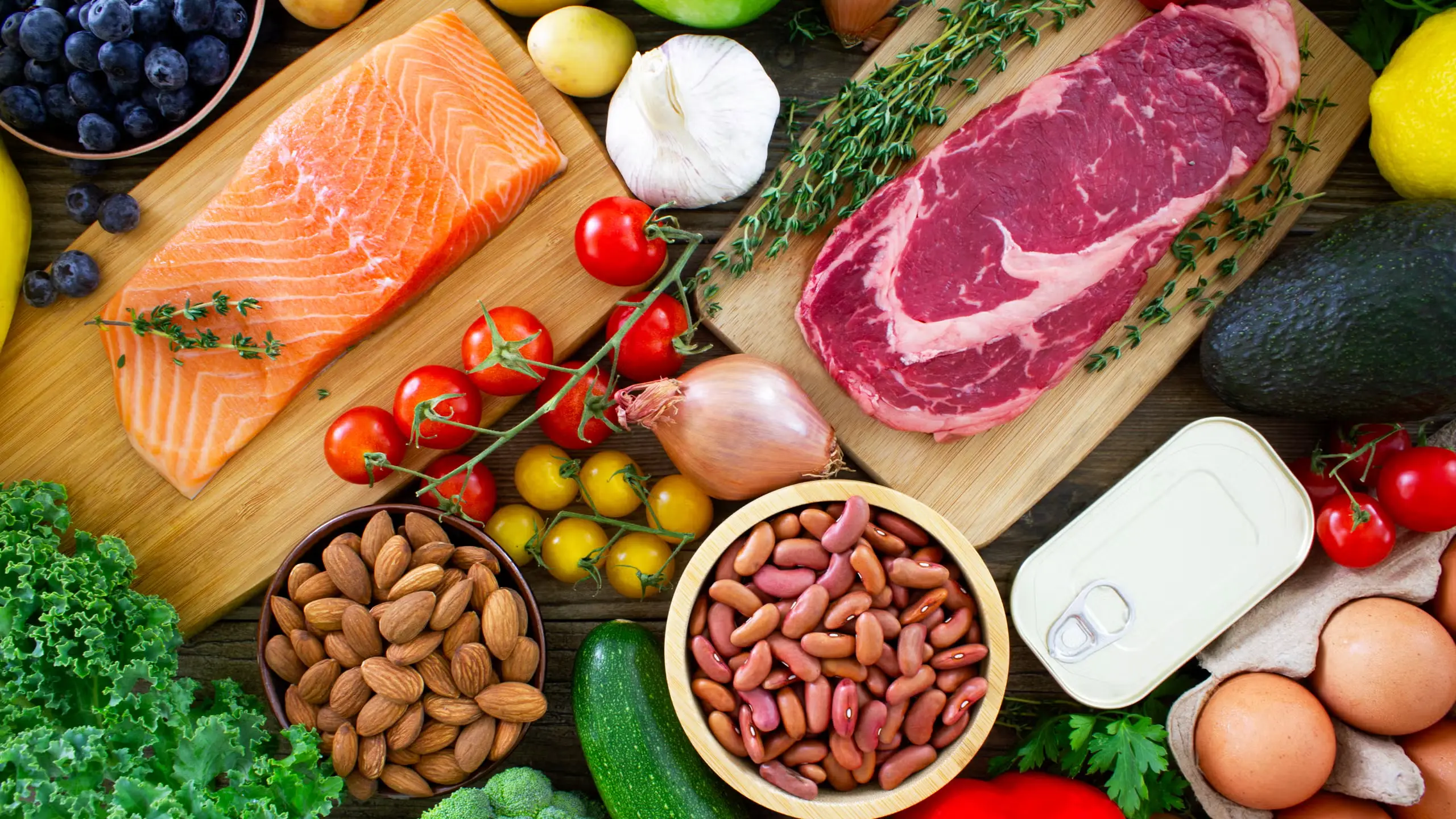
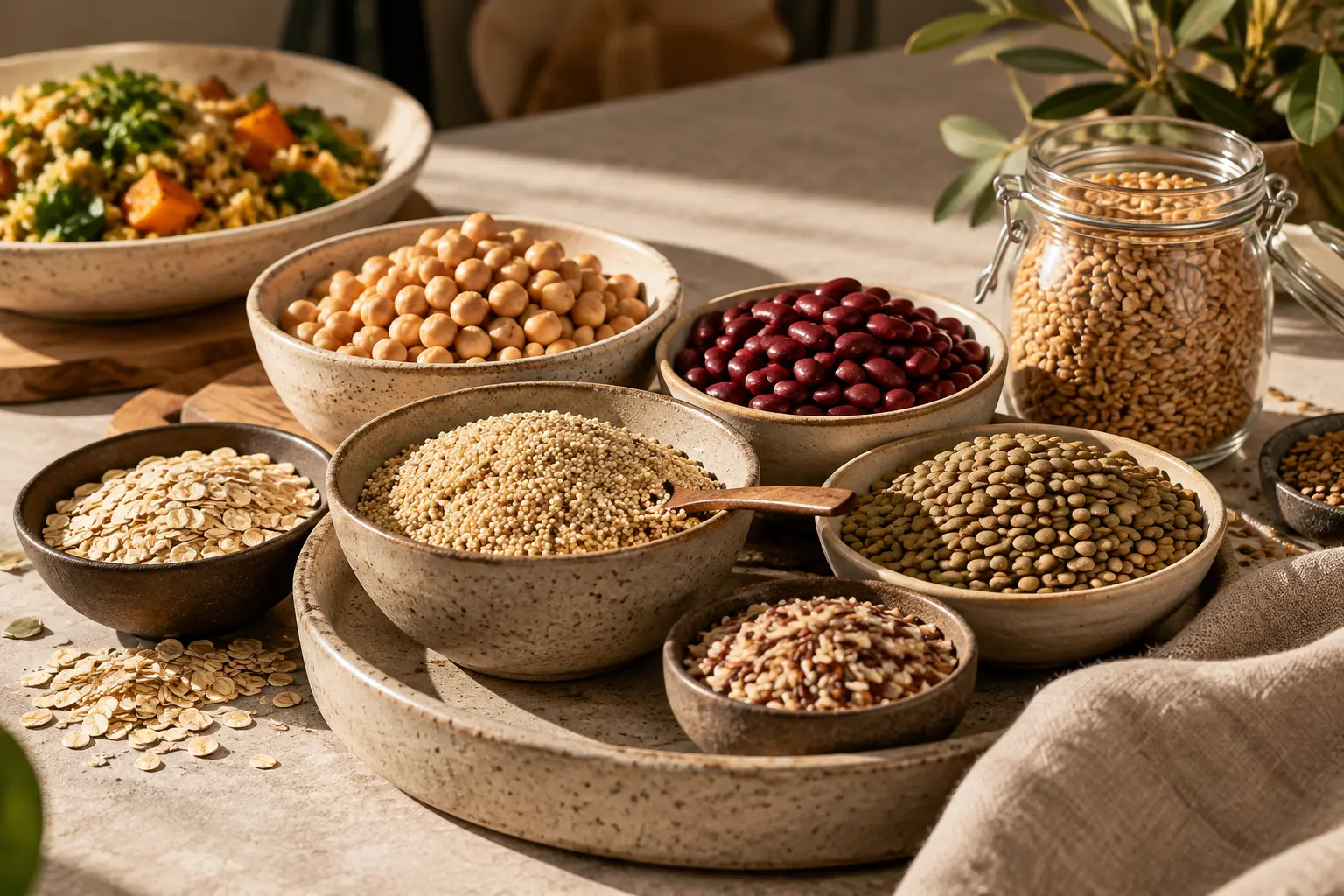
“Protein + fibre” is most useful as a meal-building principle. A clear protein source gives the meal substance. Whole grains, legumes and vegetables bring different fibres, volume and texture. Sauce and seasoning deserve attention as well, because sensory satisfaction affects the eating experience.
One randomised crossover study makes the combined picture easier to see. Forty-three men ate high-protein meals based on legumes or meat. The legume meal produced higher short-term fullness than the protein-matched meat meal, though it also differed in fibre and other characteristics [3]. The result cannot show that one protein source will always satisfy everyone more. It does show how difficult it is to separate one nutrient from the meal around it.
That is how the FIT FOOD bowl is built: a seven-grain base and vegetables, followed by salmon, chicken, beef or tofu and a finish of flavour. Protein is deliberate, and fibre comes from recognisable plant foods.
A well-built meal can include both protein and fibre without promising a fixed number of hours of fullness or “craving control”.