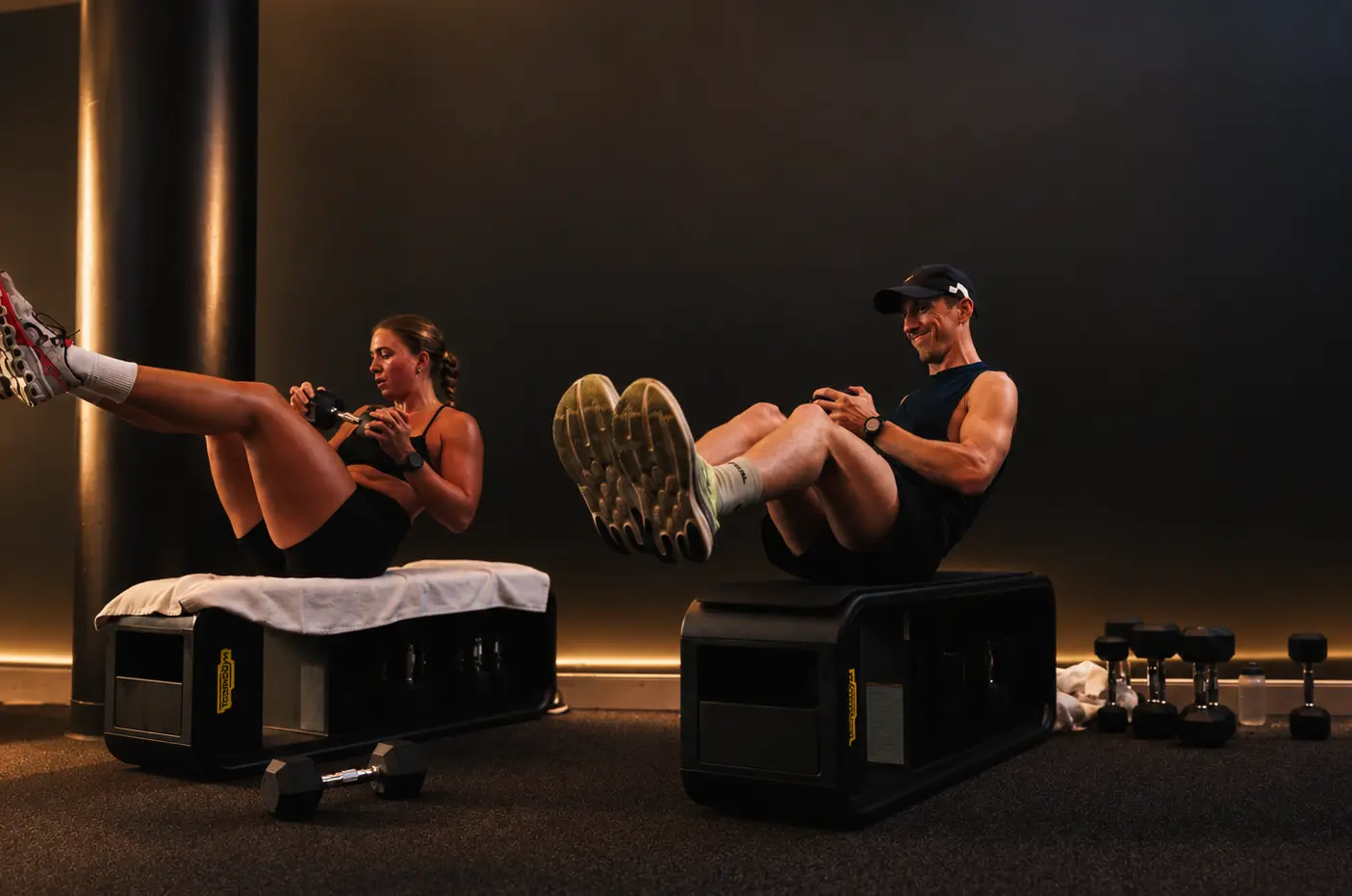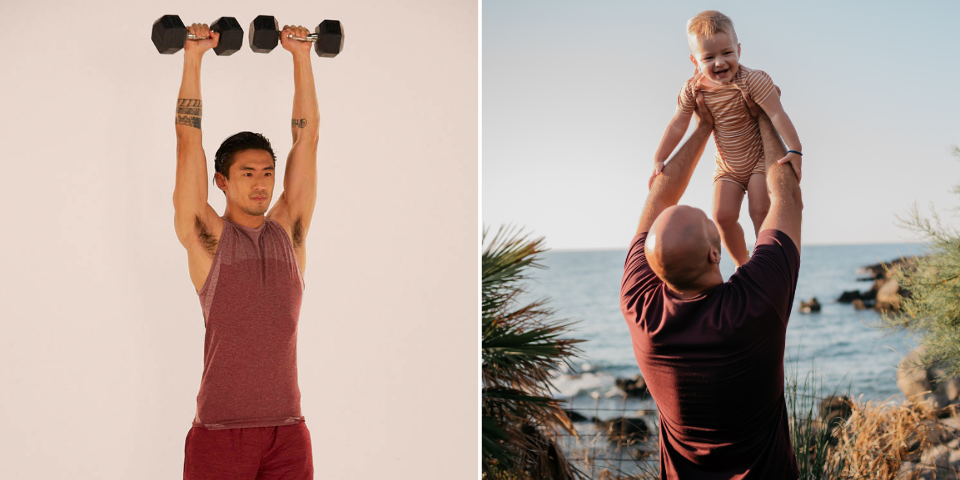
For decades, fitness culture has been dominated by aesthetics, but a shift is underway with more people moving away from training purely for how they look, and toward training for how they live. This is the rise of functional fitness – an approach focused on strength, mobility, and longevity.
What is functional fitness?
Functional fitness is about training your body to handle real-life movements efficiently and safely. Think lifting groceries, climbing stairs, getting up off the floor, or playing with your kids. These aren’t isolated, machine-based movements, they’re dynamic, multi-joint actions that require coordination, balance, and strength.
Instead of training muscles in isolation, functional fitness trains movement patterns: squatting, hinging, pushing, pulling, rotating, and carrying. It’s less about looking strong, and more about being strong where it counts.
Why the shift toward longevity?
As our understanding of health evolves, so does our motivation for exercise. People are increasingly asking:
- Will this help me stay independent as I age?
- Can I avoid injury and chronic pain?
- Am I building a body that lasts?
Longevity-focused training answers these questions. It prioritises joint health, muscle mass, bone density, and cardiovascular resilience - all critical factors in maintaining quality of life over time.
Research consistently shows that strength training, mobility work, and balance training are key predictors of long-term health outcomes.
The benefits of functional training
1. Injury prevention
By strengthening stabilising muscles and improving movement patterns, functional training reduces the risk of common injuries—especially in the lower back, knees, and shoulders.
2. Improved daily performance
From carrying heavy bags to sitting at a desk without discomfort, functional fitness enhances your everyday capabilities.
3. Better mobility and flexibility
Functional workouts often incorporate full ranges of motion, helping maintain joint health and reduce stiffness
4. Sustainable strength
Rather than chasing short-term aesthetic goals, functional fitness builds strength that lasts—supporting your body through every stage of life.
5. Mental resilience
Training for performance and capability can be more motivating and rewarding than chasing a visual ideal. It shifts the mindset from appearance to achievement.
What does functional training look like?
A functional fitness session might include:
- Compound strength exercises like squats, deadlifts and lunges
- Bodyweight movements such as push-ups, pull-ups and planks
- Dynamic exercise like kettlebell swings or medicine ball throws
- Balance and stability work
- Mobility and recovery-focused movements
It’s varied, engaging, and adaptable to all fitness levels.
The FIT approach
At FIT Health Clubs, we’re seeing a growing number of members embrace this approach, not just to look better, but to live better. They are training to support real-world strength, movement quality, and long-term health outcomes.
At FIT, this is supported through a balance of intensity, movement and recovery across multiple studio experiences. From the energy of HIIT and running, to the control of Pilates, the reset of Yoga, and the value of dedicated recovery, it’s a system designed to support how your body moves, feels, and performs every day.
Whether you’re new to training or looking to evolve your routine, functional fitness meets you where you are and grows with you.
A new definition of fitness
The future of fitness isn’t about perfection, it’s about preparedness. It’s about building a body that supports your lifestyle, protects your health, and allows you to do the things you love for as long as possible.